
Havránok
HistoriqueSlovaquie
Archeoskanzen Havránok, 032 23 Liptovská Sielnica
Aucun Explorateur n’a encore foulé ce lieu
Ce lieu t’attend sur la carte d’Explore, avec 3 521 autres sortis de l’oubli.
Découvrir ce lieu sur la carteGratuit, sans compte · offert par Runes de Chêne
À propos
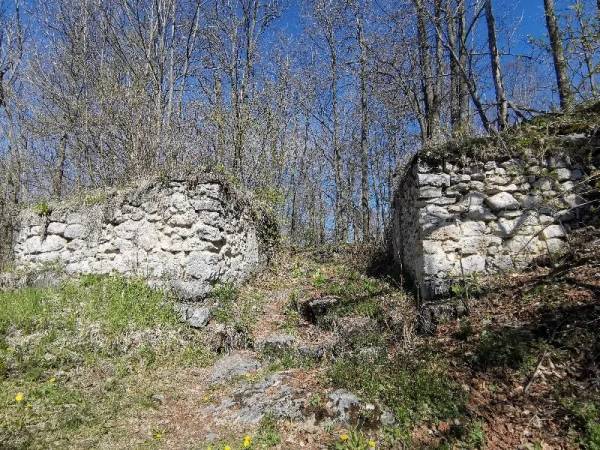
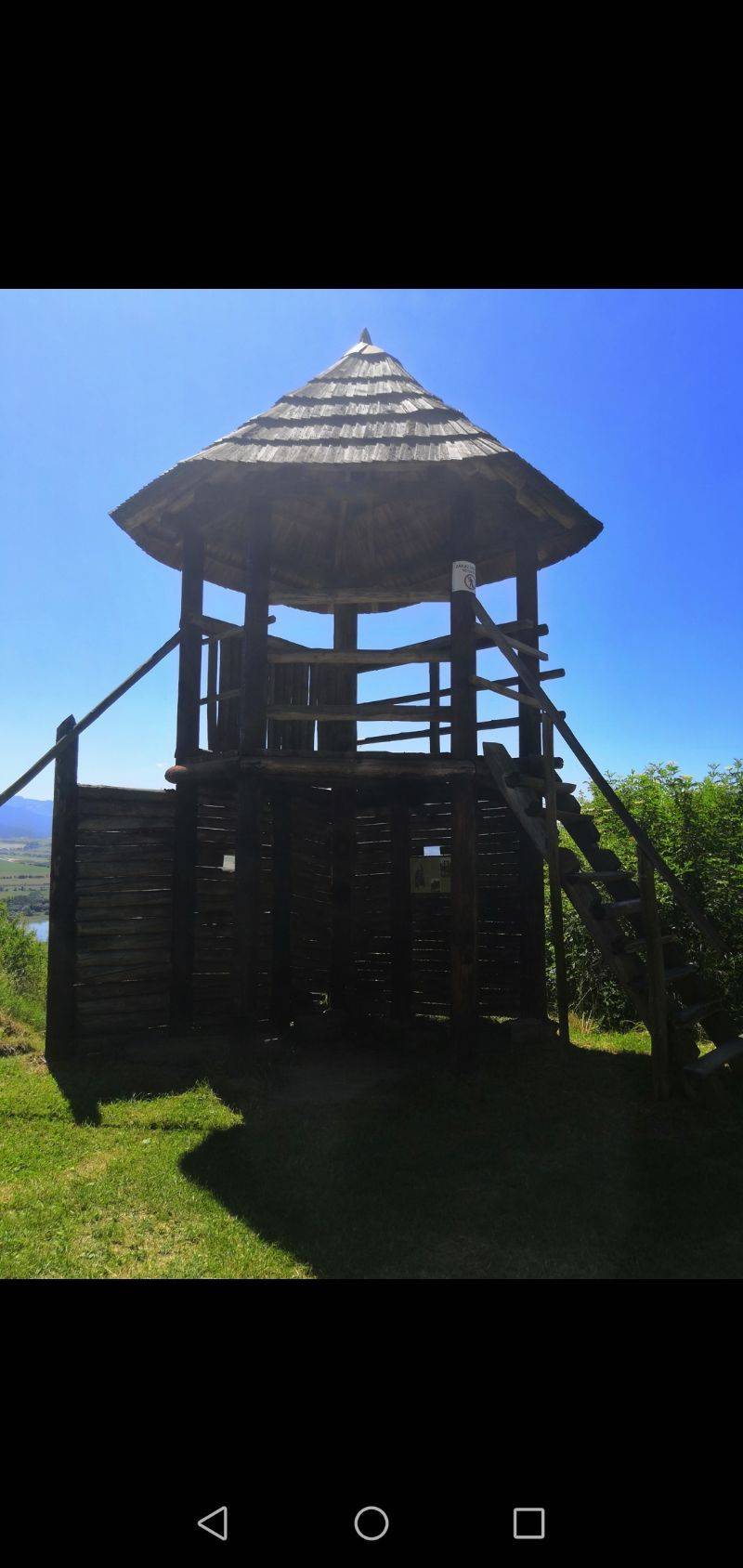
Havránok is an important archaeological site in northern Slovakia.The archaeologists unearthed a prehistoric Celtic hill fort and a medieval wooden castle in the 1960s, during the construction of the Liptovská Mara dam. Both objects have been partially reconstructed. During the Iron Age and the Roman Era, the shrine of Havránok was an important religious center of the Celts living in Slovakia. The Havránok hill fort was an important religious, economic, and political center of the Púchov culture (300 BCE - 180 CE), in which the dominant Celtic tribe of Cotini mingled with the older people of the Lusatian culture. The prosperous oppidum was destroyed along with other Celtic settlements in Slovakia around the beginning of the Common Era either by the Germanic tribe of Quadi or by Dacians. A medieval wooden castle existed near the remnants of the anc.
 Lieu ajouté par Un Voyageur · le 25 septembre 2020